Occitanie: a region rich in history, culture and natural beauty
Highlights
Discover the rich history of Cathar Country, with its dramatic landscapes, ancient legends and spectacular UNESCO World Heritage fortresses such as Montségur
Wander through atmospheric local towns and villages – including Carcassonne, Mirepoix, Montolieu, Foix, Camon and Fanjeaux
Cycle, walk or take a boat along the historic Canal du Midi
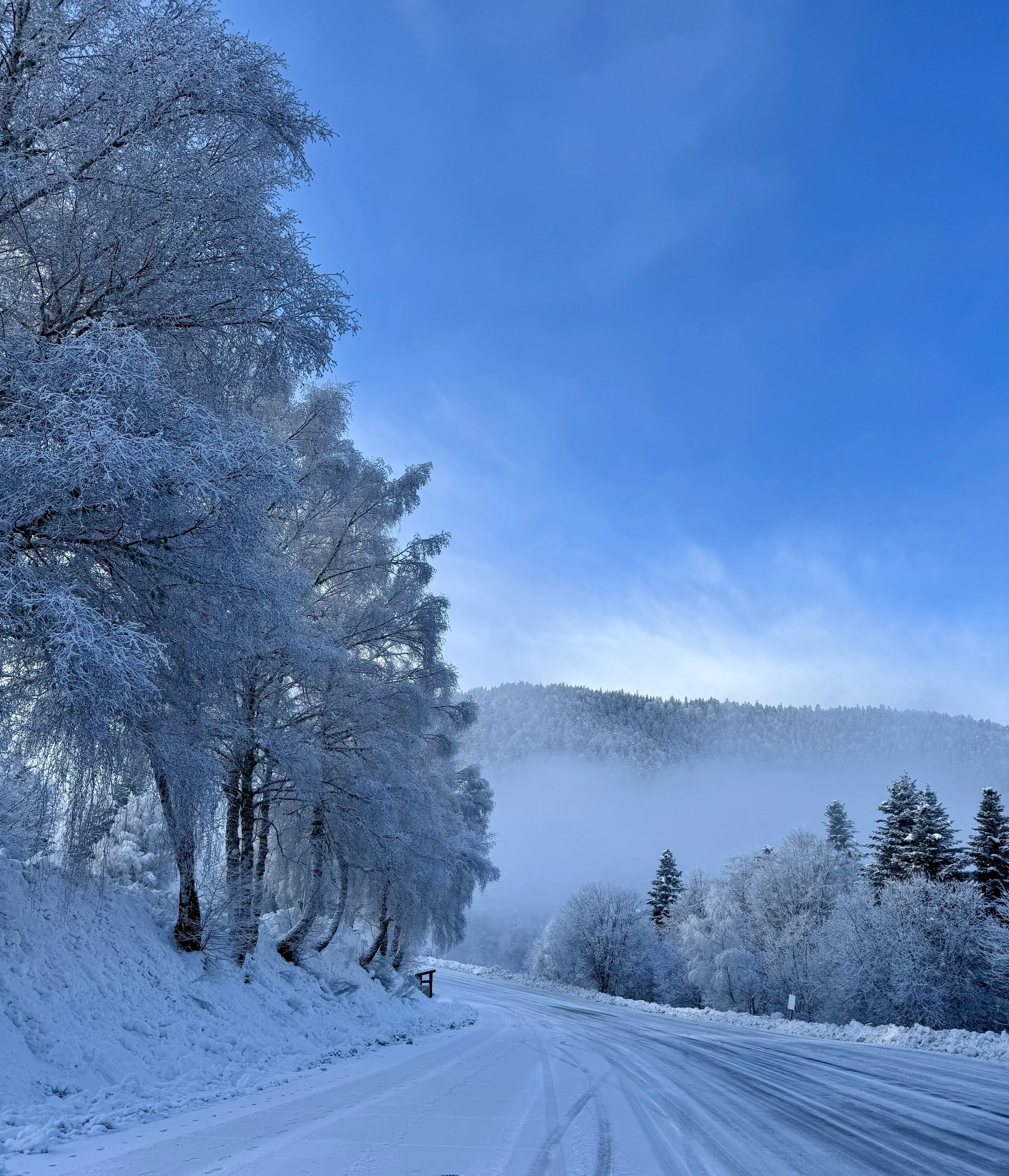
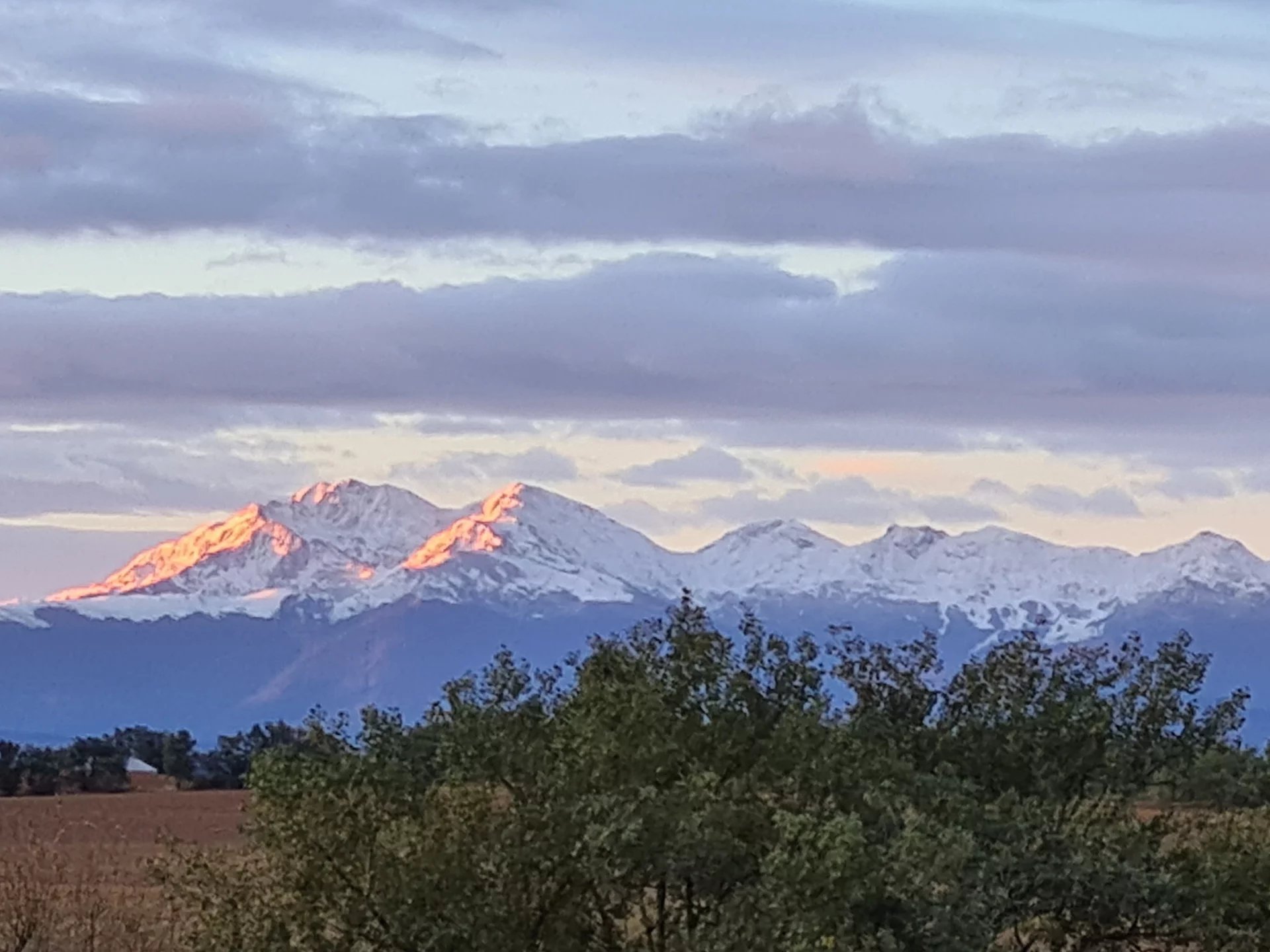
Go hiking, cycling or skiing in the Pyrenees, followed by a soak in the thermal baths and hot springs of Ax-les-Thermes
Sample the region’s famous food and wines
Explore the many local markets selling fresh produce and regional specialities
Experience summer wine-tasting evenings and night markets, where local producers, live music and food trucks bring village squares to life
Visit Toulouse, France’s vibrant ‘Pink City’, with its beautiful architecture, museums, restaurants and lively cultural scene
Take a trip to Leucate and the beaches of the Mediterranean coast
Enjoy outdoor activities such as canoeing, biking, windsurfing, sailing, birdwatching and horse riding
Things to do near Le Domaine de Loustalviel
History and culture
Canal du Midi
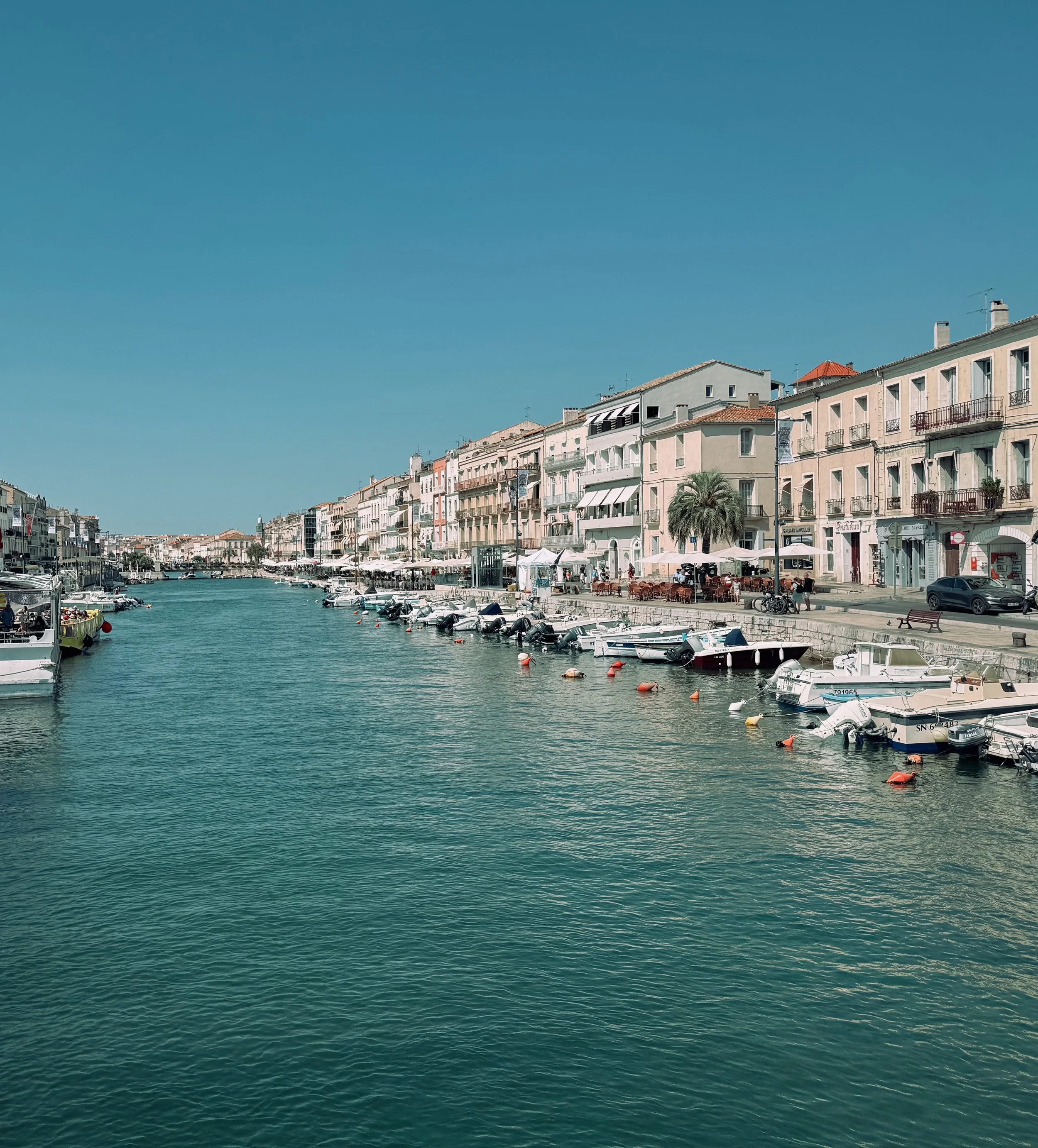
The historic Canal du Midi winds its way from Toulouse to the Mediterranean, forming part of a UNESCO World Heritage site and one of France's great feats of 17th-century engineering. Le Domaine de Loustalviel is under 25 minutes from the Seuil de Naurouze – the canal's highest point, where water famously splits and flows two different ways, one side towards the Atlantic, the other towards the Mediterranean – and the bustling Bassin de Castelnaudary, both good starting points for a stroll or bike ride along the plane-tree-shaded towpath.
Cathar castles and fortresses
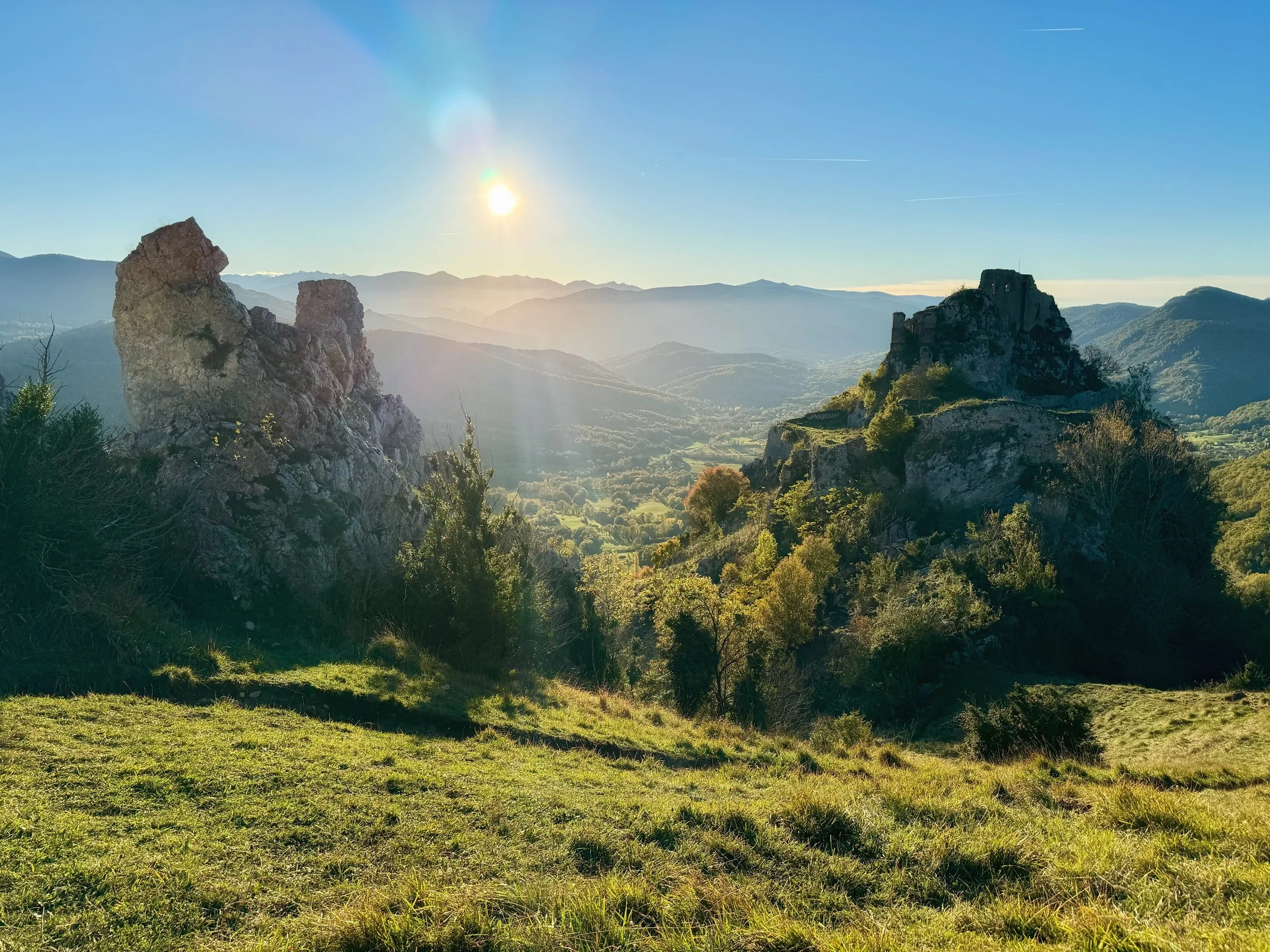
There are some spectacular mountain-top castles and fortresses within easy reach of Le Domaine de Loustalviel, several of which are now part of the UNESCO World Heritage site of the Royal Fortresses of Languedoc. Montségur stands dramatically atop a lonely peak, a powerful symbol of Cathar resistance and one of France’s most haunting medieval sites. The climb up to the stronghold is steep, but the incredible views from the top are well worth it.
Roquefixade, perched high above the unspoilt village near Lavelanet, is another stunning hike with panoramic mountain views. Other memorable UNESCO-listed castles and fortresses include Peyrepertuse, Quéribus, Lastours, Termes, Puilaurens and Aguilar.
For those not up to a climb, the more accessible Château de Lagarde is only 10 minutes south of Mirepoix.
Caves and grottes
There are many prehistoric caves in the area. The paintings at Grotte de Niaux are estimated to be around 14,000 years old. For an exciting day out, we recommend a boat trip along the longest navigable underground river in Europe, deep inside the caves at Labouiche. The enormous Grotte de Lombrives, recognised as the largest cave open to the public in Europe, is another magnificent place to explore. Alternatively, the Grotte du Mas-d'Azil is a vast prehistoric cave that lent its name to the Azilian culture.
Dom Robert tapestry museum
The Dom Robert tapestry museum in Sorèze is dedicated to the vibrant and nature-inspired works of Dom Robert, a Benedictine monk and renowned 20th-century tapestry artist. Located within the historic Abbey School of Sorèze, the museum showcases a fascinating collection of tapestries, sketches and weaving techniques.
Nature and wildlife
Hiking
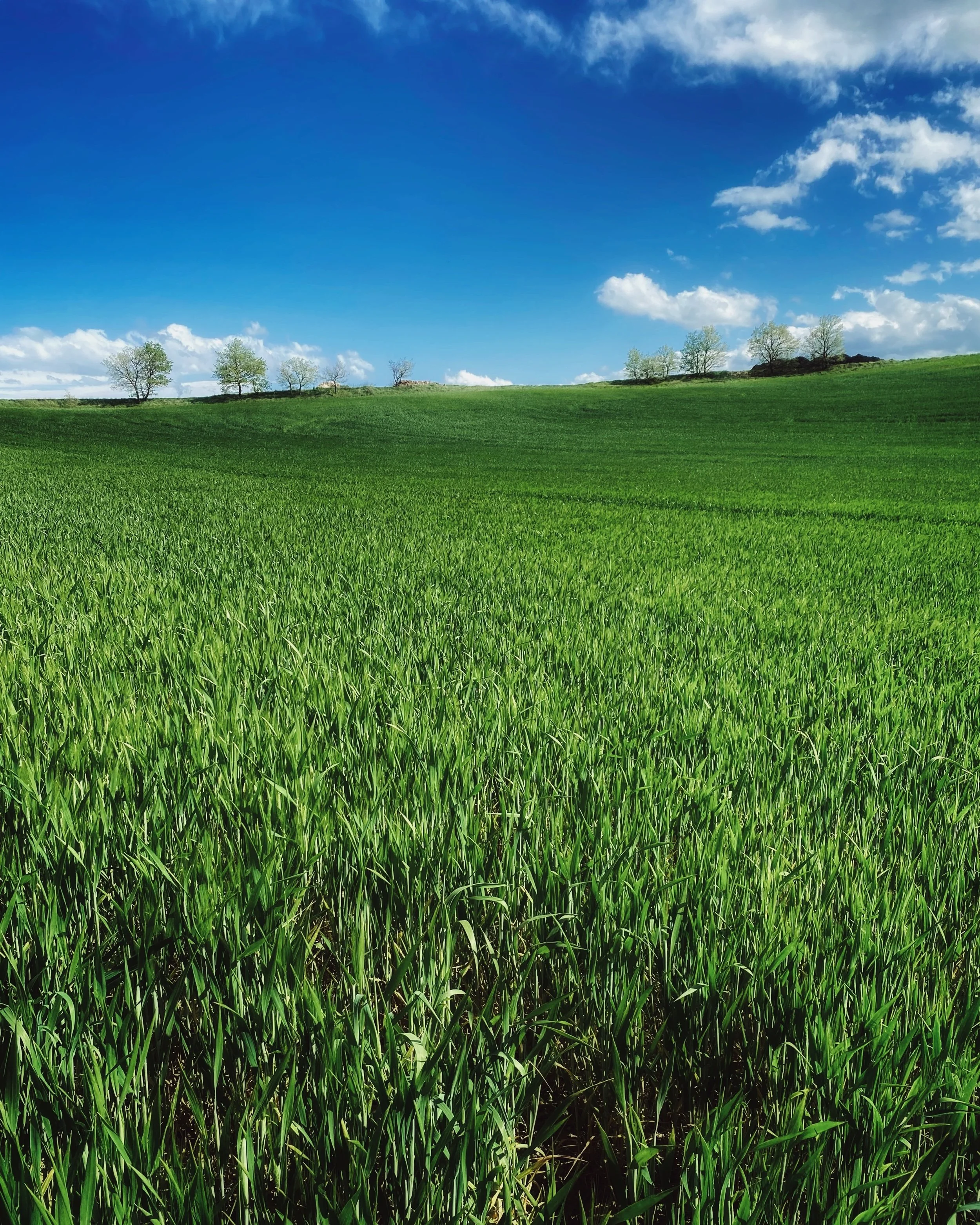
The countryside around Le Domaine de Loustalviel is ideal for walking, from gentle rambles through the rolling hills and farmland around Mirepoix to more challenging mountain hikes in the Pyrenees. The dramatic Gorges de la Frau, near Montségur, offers spectacular scenery and hiking through a beautiful limestone gorge.
The Forêt de Bélesta is home to beautiful woodland walks, while a hike further into the Tabe massif leads past the Étang de Moulzoune to higher mountain lakes where wild swimming is possible. Further away, the Orlu Valley and its National Wildlife Reserve provide mountain scenery and opportunities to spot Pyrenean wildlife.
For a longer adventure, the Sentier Cathare (Cathar Trail) is a 250km long-distance hiking route linking some of the region's most striking castles and historic sites, including Château de Montségur and Château de Puivert. The trail passes through forests, valleys and mountain landscapes, offering a wonderful way to experience the scenery and history of Cathar Country on foot.
Bird sanctuary
The beautiful 100-hectare Domaine des Oiseaux in nearby Mazères provides an important resting, feeding and nesting area for numerous birds. There’s also an educational farm, a museum, fishing areas and peaceful walking trails.
Bison farm
La Ferme aux Bisons near Lapenne offers guided tours of their herd of bison, deer, eland, wapiti, watusi, yaks and other exotic beasts, all from the comfort of a tractor-pulled bus. There’s also a petting zoo.
Bamboo park
Le Parc aux Bambous, next door to the bison farm near Lapenne, spans four hectares and features over 200 species of bamboo. It offers peaceful walking paths, flower gardens, water features and a bamboo maze. There’s also a lovely small Indonesian restaurant on site.
Fontaine de Fontestorbes
One of the area's most unusual natural phenomena, this remarkable intermittent spring near Bélesta changes its flow dramatically according to the season. It's an easy and intriguing stop when heading to the Pyrenees.
Vineyards
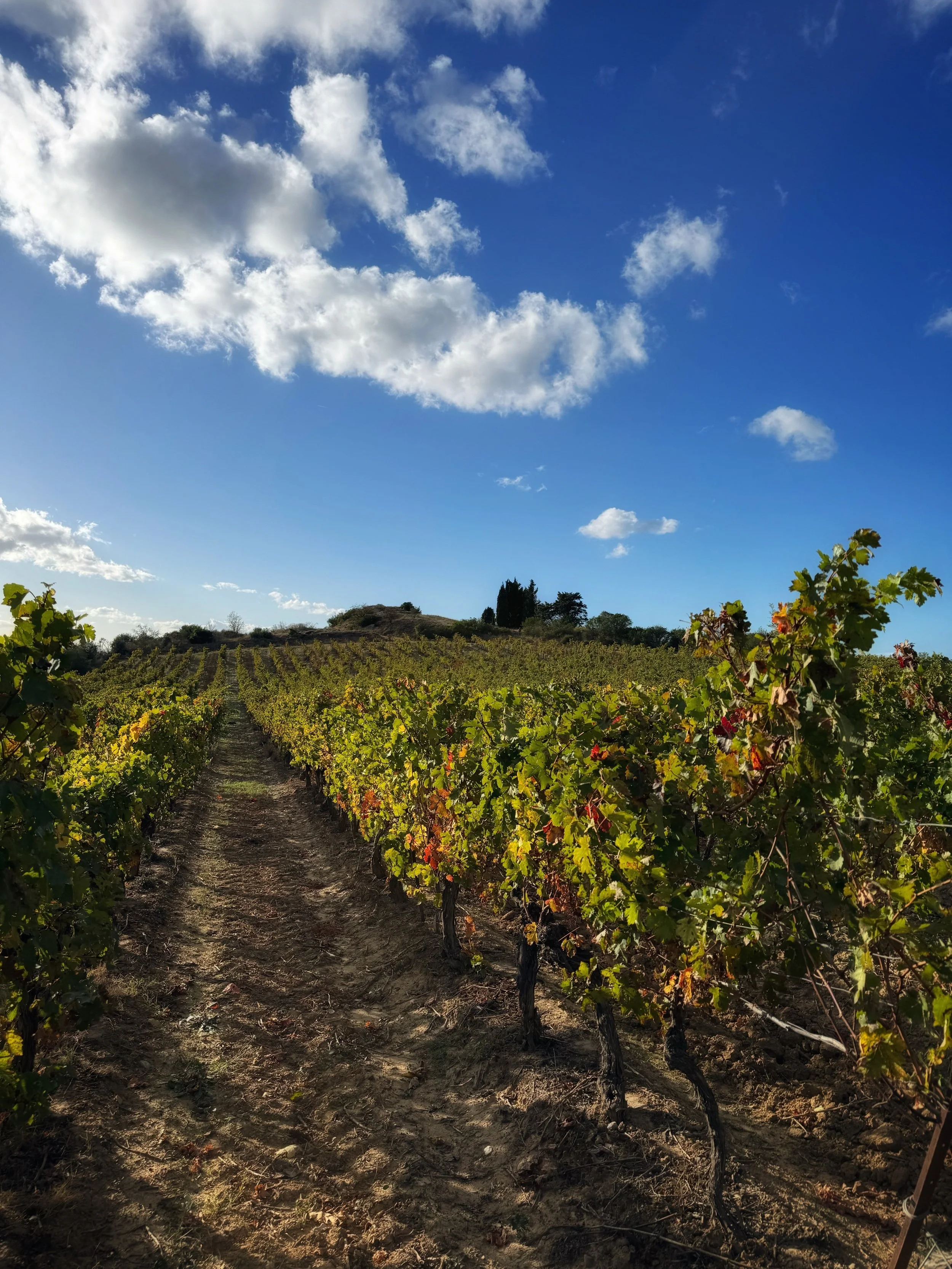
There was once a vineyard at Le Domaine de Loustalviel but sadly it no longer exists! Nearby vineyards offering tours and wine tastings include Domaine Gayda (which has an excellent restaurant), Domaine La Louvière, Château Guilhem, Domaine le Fort, and, for wonderful sparkling wines, there’s J Laurens in Limoux.
Outdoor adventures
Canoeing and kayaking
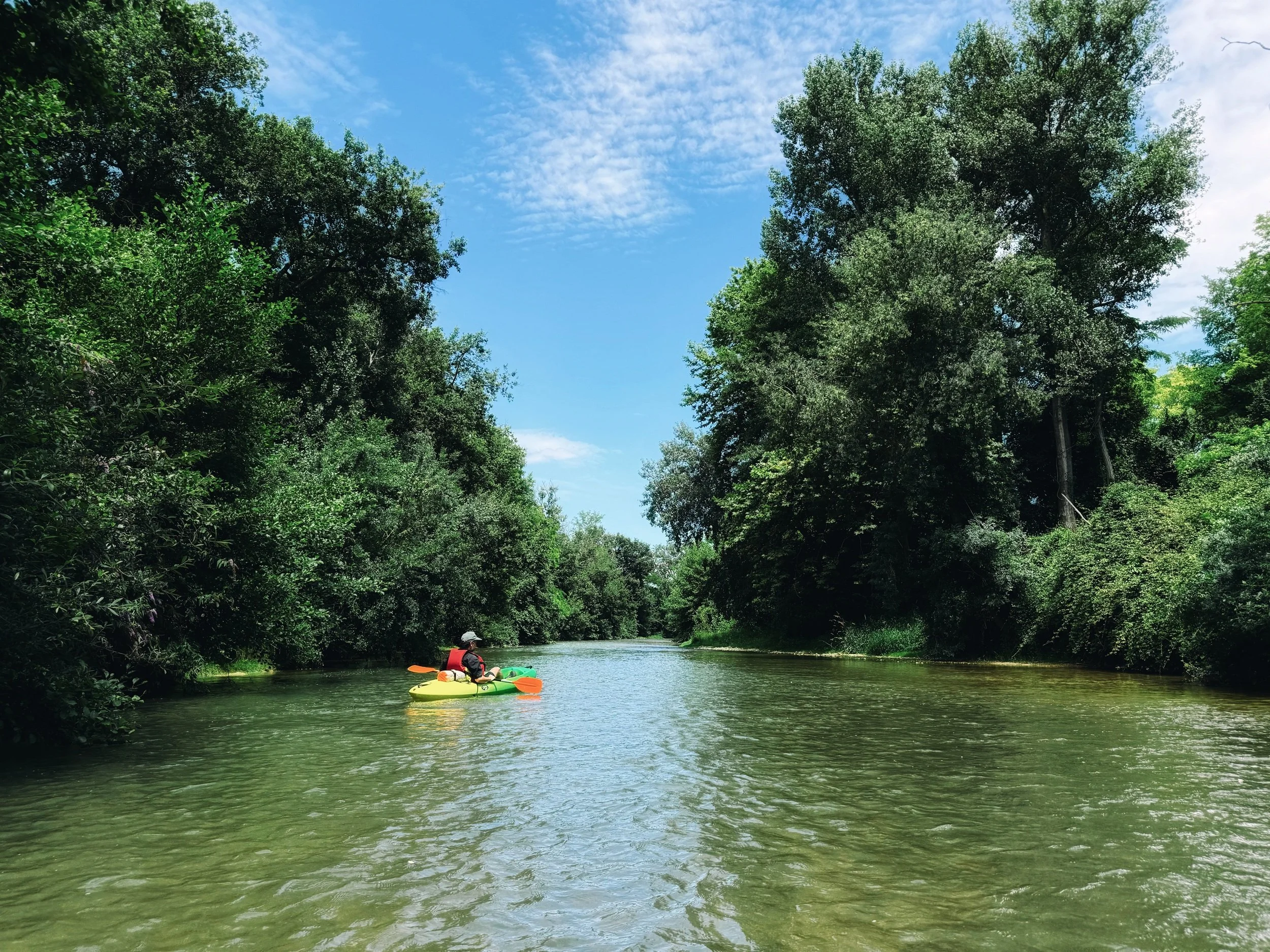
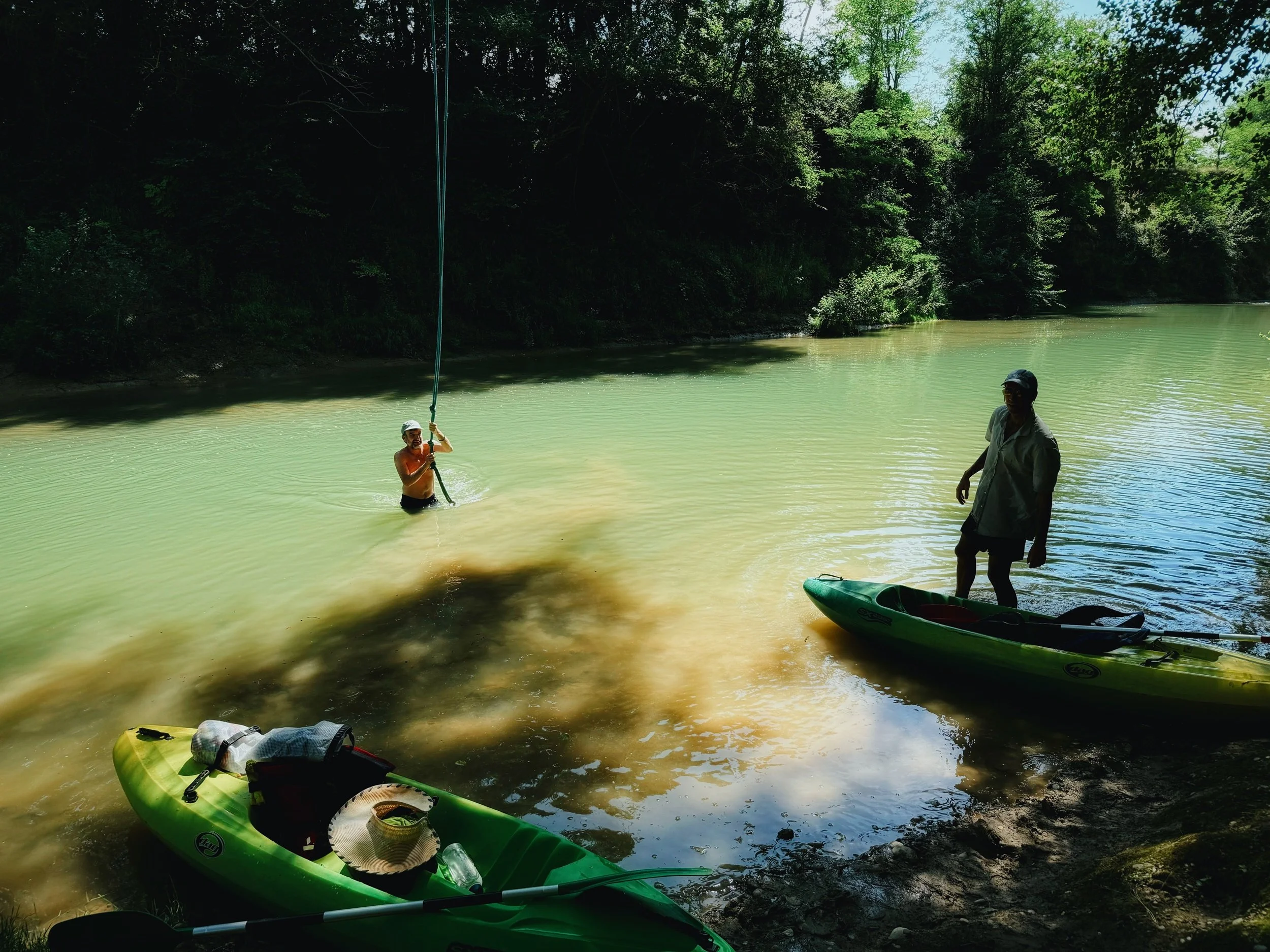
There are lots of river-sport options in and around the Pyrenees. Atalaya Canoe is a 10-minute drive away in the village of Belpech, while Naturokayarc is around 20 minutes away near the bison farm and bamboo park in Lapenne. Both offer spectacular canoeing and kayaking along the beautiful Hers-Vif (summer only).
Lakes, sailing and windsurfing
Lac de la Ganguise (25 minutes away) is known for sailing and windsurfing, thanks to its reliable winds – a favourite with wind-sport enthusiasts and one of the region’s largest lakes.
Lac de Montbel (under an hour away) is great for a family day out, with beaches, swimming, fishing, canoeing, paddleboarding, sailing and walking trails, all set against a striking Pyrenees backdrop.
Lac de Saint-Ferréol, near Revel, offers a more relaxed outing, with a beautiful lakeside setting, a walking trail around the lake and the Canal du Midi museum and gardens. The lake is itself part of the UNESCO World Heritage Canal du Midi, forming part of its historic water-supply system.
Cycling and the Voie Verte
The Voie Verte follows the old railway line from Mirepoix to Lavelanet, a largely traffic-free 38km route winding through the beautiful countryside of the Hers valley and passing through Lagarde and Camon. It’s ideal for cycling and walking, with the chance to stop for a swim at Lac de Montbel.
Mountains, skiing and thermal baths
Ax-les-Thermes, just over an hour's drive away, is a year-round mountain destination, with hiking, mountain biking and other outdoor activities in summer, skiing at Ax 3 Domaines in winter, and the famous Bains du Couloubret thermal baths for relaxing afterwards.
Closer to home, Monts d'Olmes offers skiing in winter and hiking and mountain biking in summer.
In under two hours you can also reach the larger resorts of Andorra.
Historic mountain railway
For a lazy way to explore the magnificent scenery of the Pyrenees, try a day trip on Le Train Jaune, which climbs dramatically from Villefranche de Conflent to the highest railway station in Europe at Bolquère and then meanders across the beautiful hidden valley of La Cerdagne to Latour-de-Carol.
Towns and villages to explore
Mirepoix
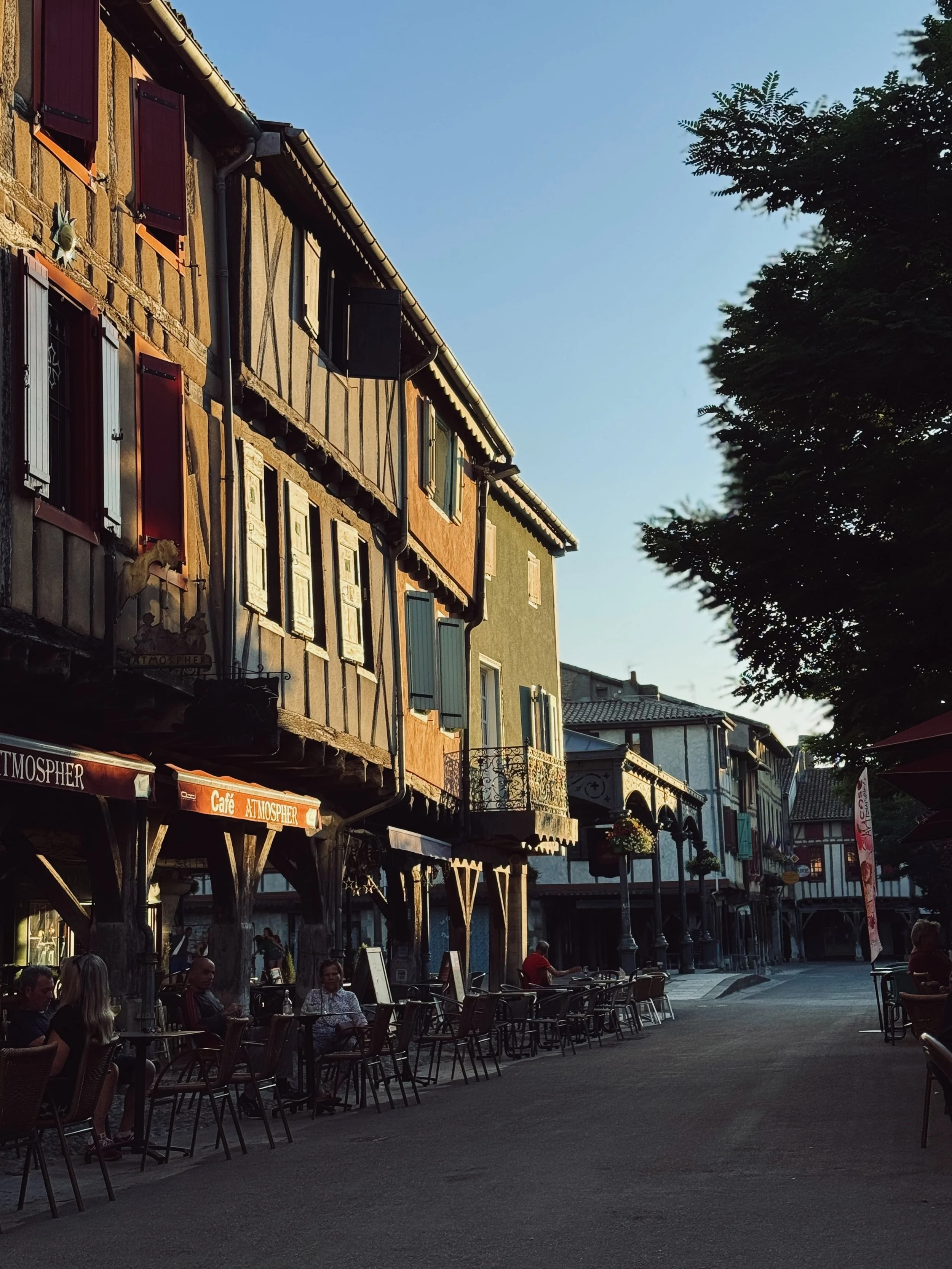
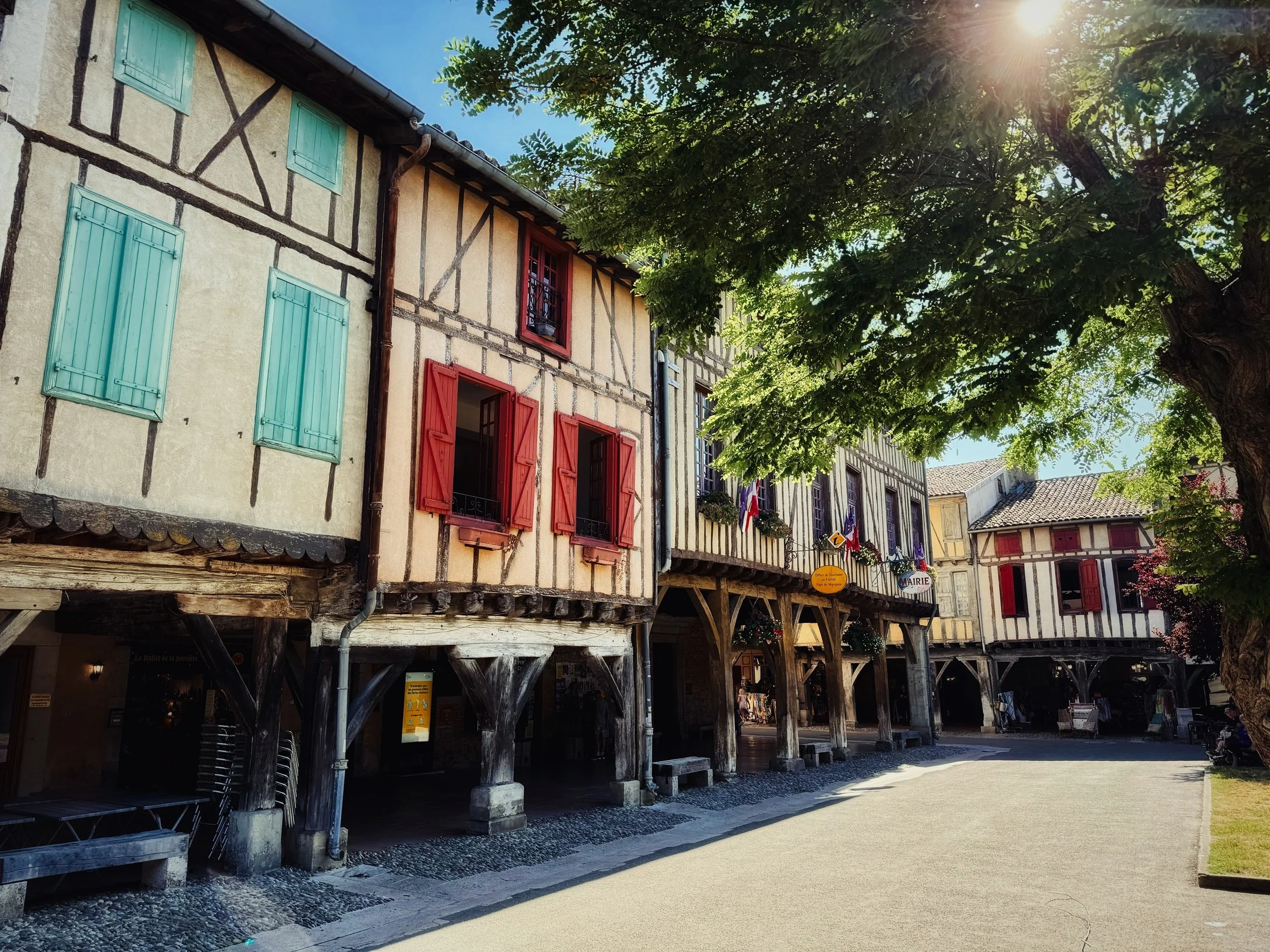
The medieval galleried square at Mirepoix is a picture-book sight. The town is famous for its timber-framed houses, painted in vibrant colors and adorned with arcades. The Monday market in Mirepoix is one of the highlights of a stay at Loustalviel, and when it’s full and bustling on market day, it’s irresistible to sit in one of the cafés under the arcades and watch it all happening.
Carcassonne
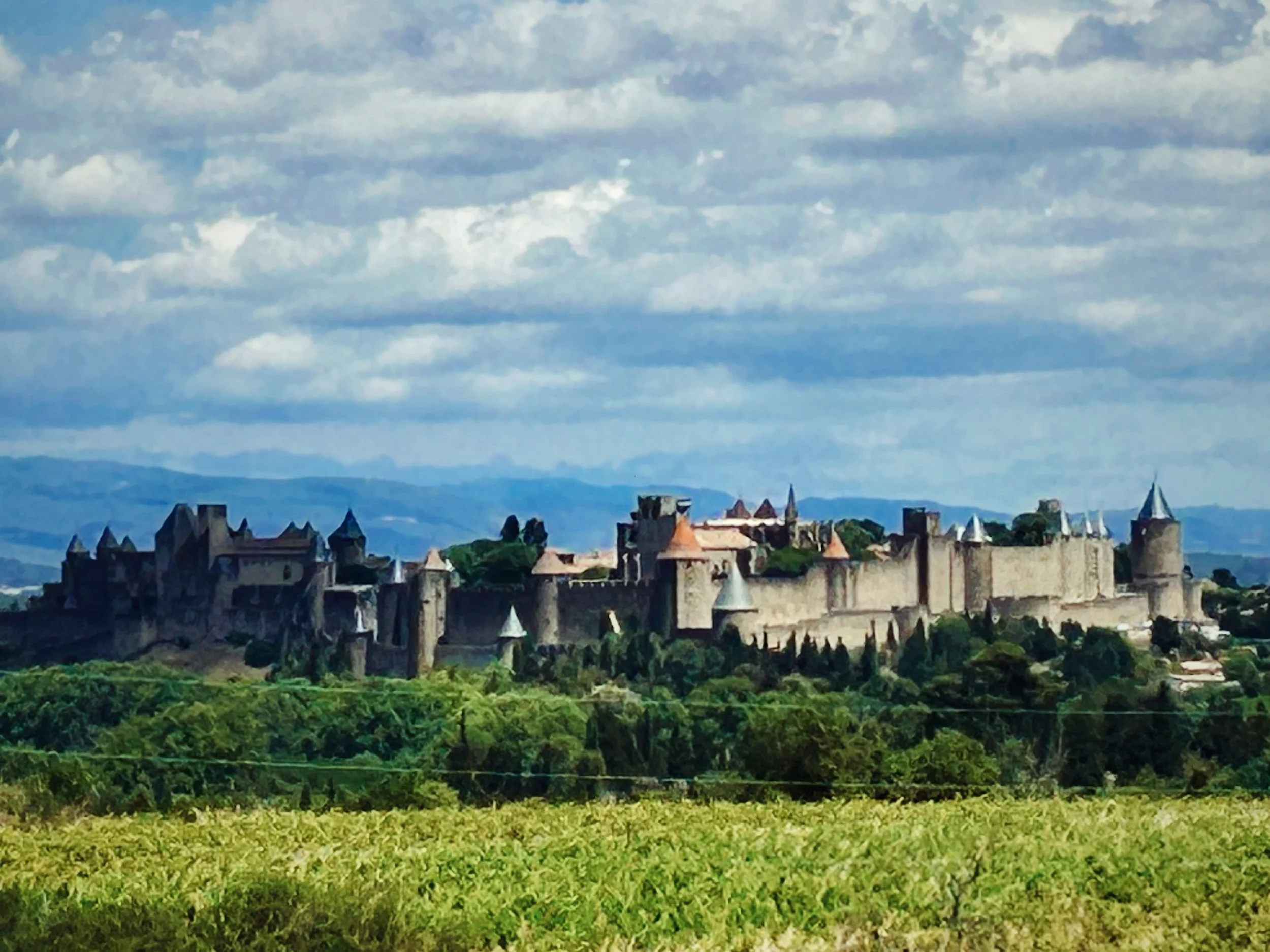
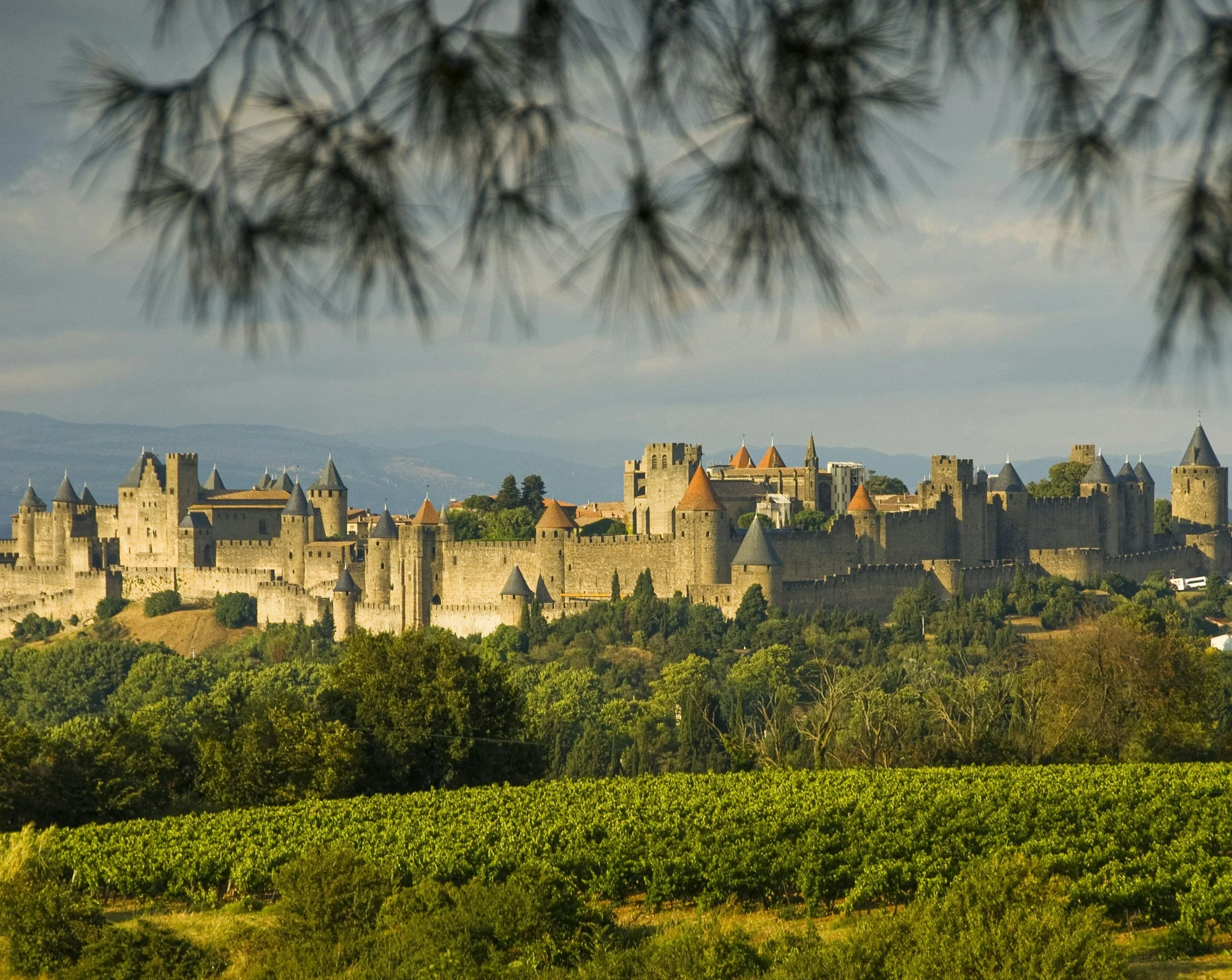
A wonderful medieval walled city and UNESCO World Heritage site, Carcassonne is a must-see. It’s famous for its double walls, towers and cobbled streets. A visit there feels like stepping back in time.
Castelnaudary
Castelnaudary was where cassoulet was invented, and there isn’t a restaurant in the town that doesn’t claim their version as the original, and the best in town! It’s worth taking a walk along the tree-lined Canal du Midi to the Bassin.
Camon
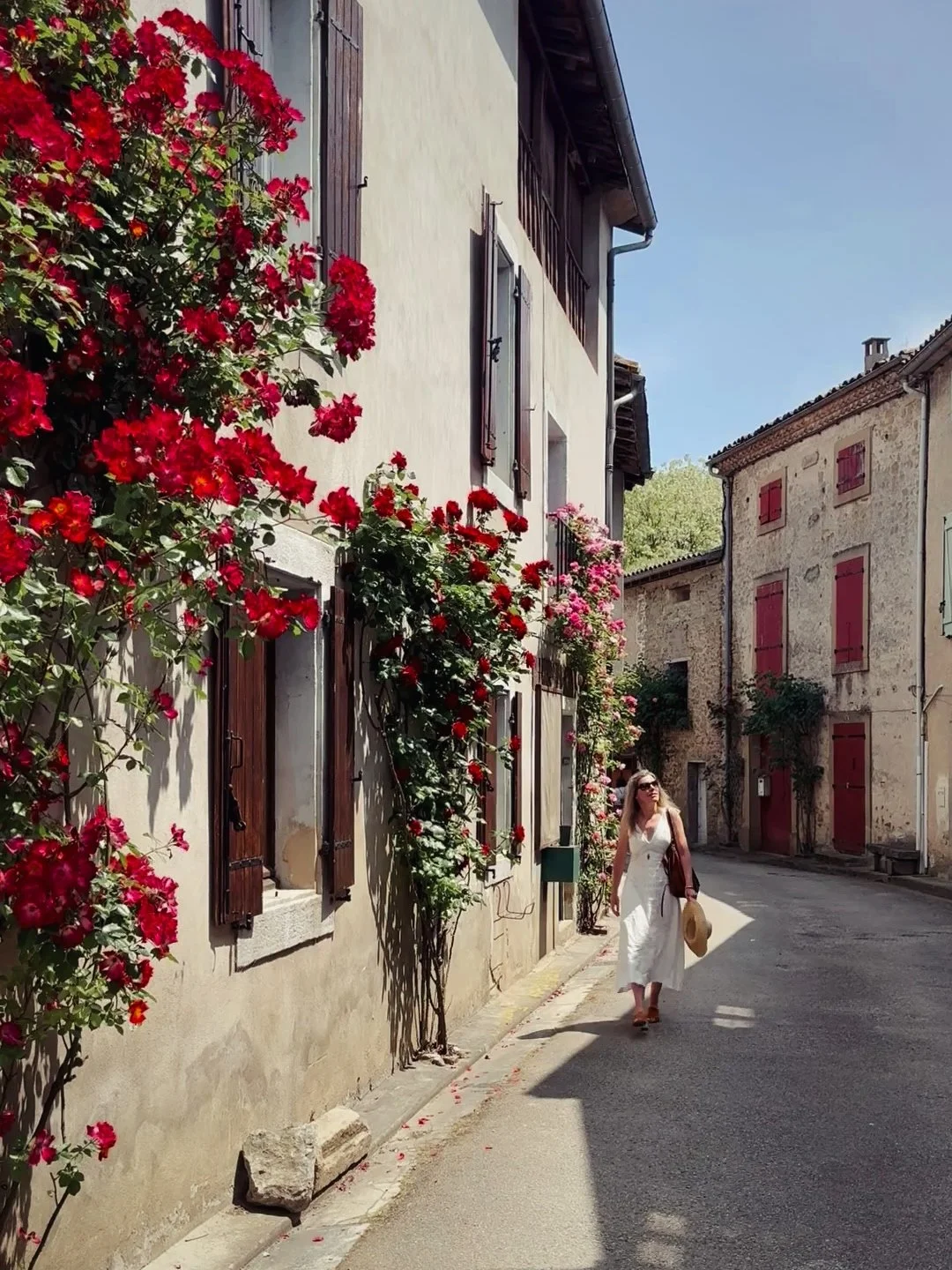
Camon is a charming stone village known for its 10th-century abbey, picturesque narrow streets and beautiful rose gardens, which bloom in the spring. It is also officially one of ‘Les Plus Beaux Villages de France’, and its annual Rose Festival takes place each May.
Vals
Vals is a small and atmospheric village famous for its remarkable Église Rupestre de Vals, a 10th-century church partly built into the rock. Winding stone steps lead through the church to panoramic views over the rolling hills.
Fanjeaux
Perched on a hilltop overlooking the Lauragais plain, Fanjeaux has winding medieval streets, ancient churches and magnificent views. It was here that Saint Dominic lived and founded the Dominican Order, and it hosts a popular art exhibition each summer.
Foix
Surrounded by the Pyrenees, Foix is dominated by its impressive medieval castle, perched dramatically above the town. With its rich Roman and Cathar history, it makes an interesting stop on the way into the mountains and is also a gateway to a wide range of outdoor activities.
Montolieu
Pretty Montolieu is known as the ‘Village of Books’, with a rich literary heritage and numerous bookshops and galleries. Set at the foot of the Black Mountains, its narrow streets are a pleasure to explore.
Carla-Bayle
Carla-Bayle is a colourful medieval hilltop village known as the ‘Cité des Arts’, with galleries and artists’ workshops tucked among its historic streets. The village also has beautiful views across the Lèze valley towards the Pyrenees.
Saint-Felix-Lauragais
Saint-Félix-Lauragais sits high above the Lauragais plain, with beautiful views towards the Black Mountains. Its medieval centre includes the Church of Saint-Félix and remnants of the old fortifications.
Day trips further afield
Limoux
Limoux is famous for its sparkling Blanquette de Limoux, traditionally said to predate champagne. The town is also home to one of France’s longest-running Carnival celebrations, with colourful parades and traditional music and costumes filling the streets in winter.
Rennes-le-Château
This small hilltop village is famous for one of France's most enduring mysteries, involving a 19th-century priest, a sudden fortune and rumours of hidden treasure. Its restored church, museum and sweeping views over the Aude countryside make it a fascinating stop.
Caunes-Minervois
Surrounded by the vineyards of the Minervois, Caunes-Minervois is famous for its distinctive red marble and beautiful 11th-century abbey, and is close to the dramatic Gorges de la Cesse.
Lagrasse
Set in the Corbières hills, Lagrasse is one of ‘Les Plus Beaux Villages de France’, with narrow medieval streets, stone houses and the impressive Abbaye Sainte-Marie de Lagrasse. The village also hosts the annual Banquet du Livre literary festival.
Saint-Lizier
Perched above the River Salat, Saint-Lizier is a beautifully preserved medieval village with a cathedral, former Bishop’s Palace and an extraordinary 18th-century pharmacy, as well as lovely views across the surrounding countryside.
Leucate
Leucate makes a great day trip to the Mediterranean, with long sandy beaches, dramatic limestone cliffs and the vast Étang de Leucate lagoon. It is particularly popular with windsurfers and kitesurfers.
Gruissan
Gruissan combines a historic circular village with Mediterranean beaches, pink salt flats and the nearby Clape Massif, which offers excellent walking. Its traditional wooden houses on stilts were made famous by the film Betty Blue.
Albi
Albi is renowned for its distinctive red-brick architecture and enormous UNESCO-listed Sainte-Cécile Cathedral. The city was also the birthplace of Henri de Toulouse-Lautrec, whose work is displayed at the Musée Toulouse-Lautrec.
Castelnau-de-Montmiral
Perched on a rocky promontory overlooking the Gaillac vineyards and Grésigne Forest, Castelnau-de-Montmiral is a beautifully preserved medieval bastide, with an arcaded central square and 15th-century church.
Cordes-sur-Ciel
Cordes-sur-Ciel is one of the region’s most spectacular medieval hilltop villages, with steep cobbled streets, Gothic buildings and artisan shops. Its elevated position gives wonderful views and makes it a particularly atmospheric place to explore.